Queen Bey had the universe of commercial singles locked down before morphing into an outstanding album artist with “Beyoncé” (2013) and the epochal pop album “Lemonade” (2016). Despite that, her 2018 Coachella-headline show and the accompanying all-time great concert movie “Homecoming” are merely her most recent volcanic apogee. We just welcomed her back into active public consciousness with the rocket-powered Juneteenth smash “Black Parade”.
Most recent: “Lemonade” (2016)
You’ll also need to hear this: “Beyoncé” (2013)
9. Frank Ocean
A one-album superstar after “Channel Orange”, Frank outdid himself with 2016’s spectacular bedroom RnB fantasia “Blonde”. Nobody charts the mountain ranges of Millennial relationships with such devastating, surgical insight, across a gold rush of sublimely crafted pop, soul and rhythm and blues songs with a decisive indie flair. An utterly elusive live act who seems currently settled on an evolving puzzlebox of single releases, Frank continues to be a beautiful phenom.
Most recent: “Blonde” (2016)
You’ll also need to hear this: “Channel Orange” (2012)
8. Deftones
The dream-weaving Sacramento alt-metallers peacock their myriad influences and are poster boys for the tentative critical reassessment of nu-metal currently gathering steam, but ejected from the genre’s orbit way back with their 2000 classic “White Pony”. The 2010s saw them release three albums comprising their finest work to date. No other metal band can quite match the aerodynamics of Stephen Carpenter’s guitar playing or Chino Moreno’s impassioned vocals.
Most recent: “Gore” (2016)
You’ll also need to hear this: “White Pony” (2000)
7. Bon Iver
Justin Vernon has well-established pedigree for melding the sacred with the supposedly tasteless, seamlessly marrying Autotune and yacht rock to the unlikely realms of indie folk and art rock before anyone else dared. It doesn’t hurt that he is a once-in-a-generation songwriter with an inimitable ability to bend the very contours of what constitutes a melody or a song and is on an increasingly expressionistic streak of album writing most recently extended by the jigsaw-esque “i,i”.
Most recent: “i,i” (2019)
You’ll also need to hear this: “22, A Million” (2016)
6. Death Grips
Nobody else has sounded like the first truly futuristic band of the 21st Century since they blasted out of Sacramento in the early 2010s as the most profound cultural response to the nightmare of late capitalism. Providing vital reworkings of punk and hip hop simultaneously, with a trenchantly electronic focus, and the source of a veritable production line of music lore memes replicating like grey goo, Death Grips are the leaders of a Transatlantic collective of acts proving that angry men need not be regressive.
Most recent: “Year Of The Snitch” (2018)
You’ll also need to hear this: “The Money Store” (2012)
5. Lana Del Rey
The critically deified “Norman Fucking Rockwell!” is the culmination of a decade of work from Del Rey flavoured with literary aspiration and interrogating the exceptionally dark side lurking behind chocolate box Americana. Del Rey’s magnum opus, marking her out as the nation’s finest songwriter, is a fascinating, multi-storey character study which delves into a national psychology and finds a dysfunctional America which is perpetually 33 years old.
Most recent: “Lust For Life” (2017)
You’ll also need to hear this: “Norman Fucking Rockwell!” (2019)
4. The Hotelier
At the vanguard of the 2010s emo revival, these Worcester, Massachusetts upstarts exclusively craft life-affirming, emotionally turbulent rock music. In an era where guitars have been largely eschewed in popular music, “Home, Like Noplace Is There” (2014) and “Goodness” (2016) are rare gemstones of a contemporary folk mythology constellating across white suburbia. The Hotelier are the finest band in the United States of America.
Most recent: “Goodness” (2016)
You’ll also need to hear this: “Home, Like Noplace Is There” (2014)
3. The Weeknd
Since emerging with a store-ready mystique on 2011’s “House of Balloons”, Scarborough, Ontario’s Dark Knight has elevated the fusion of musicality and aesthetics to unrivalled heights, remunerated with a dominant chart presence. The ever-woozy, cinema-indebted “After Hours”, the international smash hit album of the Covid-19 pandemic, is his best work yet, finally locating a slippery sweet spot between 80s pop nostalgia and the multi-suite darkwave RnB which minted his name.
Most recent: “After Hours” (2020)
You’ll also need to hear this: “House Of Balloons” (2011)
2. The 1975
More than any other act, The 1975 have articulated the way digital culture has influenced reality and vice versa; the unspeakable synthesis. As if harnessing a sonic singularity, the band seems kitted out to plug into genres at will without ever losing fidelity. Their supercharged fourth album “Notes On A Conditional Form” deeply explores the crossover between underground electronic music and pop while charting the band’s evolution into the world’s best. All three of their previous records are dyed-in-the-wool future classics.
Most recent: “Notes On A Conditional Form” (2020)
You’ll also need to hear this: “A Brief Inquiry Into Online Relationships” (2018)
1. Kendrick Lamar
The world’s foremost musical artist, having released the 2010s’ most acclaimed album in “To Pimp A Butterfly” in 2015, before becoming the first non-jazz or classical artist to win the Pulitzer Prize for Music with 2017’s follow-up, “DAMN.” Lamar then curated the soundtrack for Marvel’s ground-breaking “Black Panther” movie. To say we eagerly await the next step of a performer so expertly chronicling an era of such dizzying tumult from his lofty pinnacle would be some understatement.
Most recent: “DAMN.” (2017)
You’ll also need to hear this: “To Pimp A Butterfly” (2015)
As an artist, Travis has become a creative centre of gravity, filtering the finest contributions out of all collaborators. His ability to synthesise and refract influences and shades of detail have rendered his own albums exponentially superhuman, while his notorious live show, which went digital to wide acclaim during lockdown, further fosters a youthful solidarity and community from the jaws of the lurid debris of capitalism. He is now a fully-fledged crossover star, as evidenced by Rosalía’s current hit “TKN”.
Most recent: “Astroworld” (2018)
You’ll also need to hear this: “Birds In The Trap Sing McKnight” (2016)
19. Kanye West
Where to start? For seven albums across 15 years, West lived up to his controversial billing as a musical genius, constantly challenging audiences with the most sublime, trend-setting records in pop and hip hop. Few in history can claim to have influenced so many disparate movements and generations with every release. Recent albums, while still confrontational and surprising, suggest his exceptionally high peak is in the rearview, but he continues to shine sparingly as a producer.
Most recent: “Jesus Is King” (2019)
You’ll also need to hear this: “My Beautiful Dark Twisted Fantasy” (2010)
18. Tool
Los Angeles alternative stalwarts Tool have been a towering act in metal and rock with only four more momentous albums since the 1993 debut “Undertow”. After a 13 year hiatus, 2019’s “Fear Inoculum” may feature the best individual work from all members. Over a decade, my doomed quest to locate the motherlode of Tool’s amplified aesthetic, summoned by guitar pyromancer Adam Jones, has sent me down a who’s-who spiral of seminal alt bands from Melvins to Helmet, Failure to Primus, and back again.
Most recent: “Fear Inoculum” (2019)
You’ll also need to hear this: “Lateralus” (2001)
17. Radiohead
Radiohead would have contended to top this list for a decade or more following the release of the 1997 landscape-altering warhead “OK Computer” through 2007’s gorgeous “In Rainbows”, as they repeatedly released the finest, most fascinating albums in popular music, gateways to the experimental reaches of countless genres for generations of music fanatics. They continue to be compelling, appointment-listening every five years or so; true guardians of the form.
Most recent: “A Moon Shaped Pool” (2016)
You’ll also need to hear this: “Kid A” (2000)
16. Kate Tempest
England’s Poet Laureate-in-waiting already boasts a catalogue of rewarding albums of steadily fizzing musicality and playful, rhythmic wordplay, but to call her such assumes anything other than disdain for establishment. Contrarily, Tempest yearningly rues societal decay at every turn. 2019’s “The Book Of Traps & Lessons” is a masterpiece of engaging musical scores and barely-veiled Brexit metaphors, climaxing in the devastating career-best crossover “People’s Faces”.
Most recent: “The Book Of Traps & Lessons” (2019)
You’ll also need to hear this: “Let Them Eat Chaos” (2016)
15. Lil Uzi Vert
Lil Uzi has risen to the apex of a group of exciting young rap artists blurring the lines between hip hop, pop, rock and emo, partly because most of the others died before reaching 22. That said, his hyperspeed, technicolour “Eternal Atake” and the accompanying “Luv vs. The World 2” tape see him largely abandon some of those previous emotionally fraught leanings for a saucer-eyed freakout of breakneck rapping and accelerationist consumerism. The results are head-spinning.
Most recent: “Eternal Atake” (2020)
You’ll also need to hear this: “Luv Is Rage 2” (2017)
14. Sleaford Mods
The Nottingham duo’s no-holds-barred insights into austerity Britain are the most critical update to punk since it was first scraped off the walls of 70s London. The glorious alchemy of Jason Williamson’s excoriating, oft-hilarious lyricism and Andrew Fearn’s knuckle-dragging bass beats has hit enough chords to entrench the Mods as unlikely repeat occupants of the UK album chart top 10. The pair are indisputably one of music’s most essential, unique contemporary acts.
Most recent: “Eton Alive” (2019)
You’ll also need to hear this: “Divide & Exit” (2014)
13. Everything Everything
Manchester’s pre-eminent prophets of poptimism are quietly building one of the finest canons in contemporary rock-based music while subsuming influence from everything but. Brandishing a baton yielded by Radiohead, the band are fuelled by Jonathan Higgs’ ear for maximalist melodies and eye for a wicked sociocultural take to ram into his regularly madcap lyricism. These dispatches from the new model island are equal parts academia and dystopian entertainment.
Most recent: “A Fever Dream” (2017)
You’ll also need to hear this: “Get To Heaven” (2015)
12. Meshuggah
Hailing from the rich metal heritage of Umeå in the Swedish north, the progressive metal titans may boast the most definitively signature sound in all of music. Nobody but nobody sounds like the palm-muted landslides and polyrhythmic tidal waves of Meshuggah’s monstrous compositional mania. Pioneers of the djent sub-genre, their albums have been untouchable explorations of seriously deep groove and syncopated insanity for decades now.
Most recent: “The Violent Sleep Of Reason” (2016)
You’ll also need to hear this: “Koloss” (2012)
11. Björk
The chameleonic Reykjavik siren songstress is nine albums deep, and her most recent, 2017’s “Utopia”, may be her most blissful yet. Although she never truly missed a step, her recent partnership with electronic trailblazer Arca has, somehow, brought even more illuminating scope, panorama and scale to Björk’s experimentation. Hers is one of the most vibrant, enriching and consistent discographies of any artiste out there.
Since inheriting the folk-metal throne from Falkenbach, Moonsorrow’s colossal sound has outlasted major challengers such as Primordial and Agalloch and continues to withstand a spirited current attack from Celtic folk metal masters Saor. After so many years, their every album is event-listening for the extreme metal community, and all are unparalleled in scale, energy and vision; the very best band from Finland’s world-leading metal scene.
Most recent: “Jumalten Aika” (2016)
You’ll also need to hear this: “Verisäkeet” (2005)
29. Charli XCX
With her latest records of titanium-coated space pop, Charli is caressing and coaxing chart music into its inevitable future; party music aching with empathy and longing, its vulnerability candying in the breathless gaps between slamming production and digitally decaying vocals. “Charli” (2019) is her futurist pop manifesto, “How I’m Feeling Now” (2020) will be the lockdown album du jour. Charli has tirelessly written her way to the near-top and is hopefully just getting warm.
Most recent: “How I’m Feeling Now” (2020)
You’ll also need to hear this: “Charli” (2019)
28. Perfume Genius
Mike Hadreas has flown a flag for outsiders everywhere from the days of his lo-fi emergence a decade ago to 2020’s instant classic “Set My Fire On Fire Immediately”, which may cement him as the headline act of excellent NYC label Matador against stiff competition from his peers. Comfortable orienteering baroque, glammed-up chamber pop and smoky Zeppelin-esque segues in equal measure, this ever-improving indie helmsman is one breakout hit song, which nearly came with 2014’s “Queen”, from a surprising future as an arena act.
Most recent: “Set My Heart On Fire Immediately” (2020)
You’ll also need to hear this: “No Shape” (2017)
27. Julia Holter
Los Angeles-based Julia Holter was already one of America’s most exciting experimental talents prior to 2018’s “Aviary”, the multitudinous meditation on medieval memory which saw Holter carving out a liminal space even further down the evolutionary vein of irresistible avant-garde mined on 2013’s “Loud City Song”, after the more traditionally structured “Have You In My Wilderness” brought her a wider audience in 2015. All limits to her sound have now been shed.
Most recent: “Aviary” (2018)
You’ll also need to hear this: “Loud City Song” (2013)
26. Tyler The Creator
Tyler manifested a decade ago as an enigmatic but dastardly provocateur who seemed a bit lost for a couple of albums. Few have settled into a niche as comfortably as he now has. He could maintain a cult following for years releasing albums in the style of “Scum Fuck Flower Boy” (2017) and “Igor” (2019), understatedly beautiful records which repurpose the forms and techniques of hip hop to interrogate feelings and demographics around male loneliness.
Most recent: “Igor” (2019)
You’ll also need to hear this: “Scum Fuck Flower Boy” (2017)
25. Solange
As Beyoncé seemed to complete her conquering of the planet with the universally adored “Lemonade” in 2016, her sister finally harnessed her own talents into an opus of similar stature. “A Seat At The Table” deep-dived into the lived tribulations of black American women and gleamed with a nourishing, inestimably vintage sound which made it sound like we’d known it forever. “When I Get Home” (2019) continued the trend from a musical family we barely deserve right now.
Most recent: “When I Get Home” (2019)
You’ll also need to hear this: “A Seat At The Table” (2016)
24. Converge
Three decades in, the Salem, Massachusetts metalcore overlords boast a span of albums with which few can compete. Almost 20 years after their defining classic “Jane Doe”, they have continued to bolster their highly accomplished musicianship and increasingly thoughtful lyricism behind the twin pistons of guitarist Kurt Ballou, maven of frenzied, razor-wire guitar riffing and now a producer of immense clarity in the worlds of metal and experimental music, and extreme music pin-up and frontman Jacob Bannon’s seismic, throat-shredding vocal work.
Most recent: “The Dusk In Us” (2017)
You’ll also need to hear this: “Jane Doe” (2001)
23. Tame Impala
Kevin Parker (“did you know Tame Impala is just one guy?”, as the music nerd meme goes!) may once have been a rock kid but has now been fundamentally turned by his time deep behind pop lines. Tastemakers already couldn’t get enough after “Lonerism” (2012), and giving in to his inability to resist giddy, luminescent melody saw “Currents” (2015) turn him into a go-to collab for pop music’s biggest names. “The Slow Rush” (2020), an incredibly topical treatise on time, is all vamping, intergalactic beats and electronic euphoria.
Most recent: “The Slow Rush” (2020)
You’ll also need to hear this: “Currents” (2015)
22. The National
While hailing from Cincinnati, Ohio, big budget indie giants The National came to outstrip the false dawns of The Strokes and Interpol to become the definitive soundtrack of big city living post-9/11. Matt Berninger waxed lyrical about the glamour and boredom of young professionals before the band bottled a dusty, cinematic aura which flowed to some centre on “Boxer” (2007) and “High Violet” (2010). Their most recent albums more playfully stumble across a capacity to surprise.
Most recent: “I Am Easy To Find” (2019)
You’ll also need to hear this: “High Violet” (2010)
21. Ulcerate
The New Zealand trio conjure up jaw-dropping power on record. Their sound is a post-metal melee, a big tent pitched at the atmospheric mid-point between death metal and sludge, with listeners liable to lose footing amid the technical and structural chaos modelled on the utterly disorientating innovations of Gorguts, Portal and Deathspell Omega and the powerhouse drumming of creative engine room Jamie Saint Merat. 2020’s “Stare Into Death & Be Still” may be their best yet as they play with increased melody to astonishing effect.
Most recent: “Stare Into Death & Be Still” (2020)
You’ll also need to hear this: “The Destroyers Of All” (2011)
Nobody, not even Kanye West, has shaped the sound of current American chart music more forcefully than Future since he arrived as a fully-formed modern-day bluesman for the trap generation. A revolutionary artist still churning out records of cast-iron consistency, Future crammed in an underrated collab tape with Juice WRLD in 2018 before Juice’s tragic passing, turned in an arguable career crescendo on the 2019 FKA Twigs cut “Holy Terrain” and continues to average at least an album per year.
Most recent: “High Off Life” (2020)
You’ll also need to hear this: “DS2” (2015)
39. Iceage
Once described as the most dangerous band in the world by Iggy Pop, the Copenhagen outfit’s punk-rooted music is aflame with poetic heft and beaming musicality, transmogrifying from a firebrand modern hardcore sound into a sophisti-rock mould incorporating post-punk, jazzy stylings and various other arthouse leanings, perfected on “Plowing Into The Field Of Love” (2014) and “Beyondless” (2018). These boys look poised to continue to cultivate their profile with class.
Most recent: “Beyondless” (2018)
You’ll also need to hear this: “Plowing Into The Field Of Love” (2014)
38. Run The Jewels
The incendiary eloquence of Killer Mike has positioned him as one of America’s most significant modern rappers after a long rise. Underground veteran El-P is no slouch, bringing cocksure witticisms and future-funky bombshell production to the table. The duo are on a seemingly intractable run of self-titled calls-to-arms dripping in swagger, steel and style; it’s the very best of political party music anchored in an effortlessly charismatic chemistry between the tandem.
Most recent: “Run The Jewels 4” (2020)
You’ll also need to hear this: “Run The Jewels 3” (2016)
37. Deathspell Omega
The mystical French collective have been a unique force in black metal for a long time and boast an expansive catalogue of material showcasing the most dizzying, nauseating guitar dynamics in music. Concluding a stream of records lyrically focused on the theology of God, Satan and humanity, the band switched to political themes on 2019’s “The Furnaces Of Palingenesia” as their shrouded membership came under heightened scrutiny, but the band remains a staggeringly dense lodestar for extreme music.
Most recent: “The Furnaces Of Palingenesia” (2019)
You’ll also need to hear this: “Paracletus” (2010)
36. Arca
Venezuelan producer Arca has defined the future sound of electronic music through her albums “Xen” (2014) and “Mutant” (2015) before delivering one of the most exhilarating curveballs of the 2010s by lacing the wartorn dynamics and brooding, Lynchian textures of her ever-shifting compositions with haunting vocal work on 2017’s excellent self-titled album. As well as steering Björk in new sonic directions of late, Arca has just undertaken another left-turn into what can be broadly termed pop on the new album “Kick I”.
Most recent: “Kick I” (2020)
You’ll also need to hear this: “Arca” (2017)
35. J Hus
J Hus is flying low on so many radars right now. The London rapper and singer and his collaborative producer Jae5 have brought new linguistic and musicological possibilities to the UK hip hop scene with two white hot albums defined by an effervescent studio sound, midwifing the nascent Afroswing movement in the process, and unlocking a wave of burgeoning young acts headlined by Coventry rookie Pa Salieu. You’d have to look to Nigeria’s Burna Boy to find Hus’ only contemporary right now.
Most recent: “Big Conspiracy” (2020)
You’ll also need to hear this: “Common Sense” (2017)
34. Oranssi Pazuzu
Mashing psychedelic rock, black metal and the backwater prog of Swans into a monolithic, snaking curiosity come Finland’s Oranssi Pazuzu. Steadily gathering momentum in the metal world, the band struck gold on 2016’s “Värähtelijä” and are now back with the equally gargantuan “Mestarin Kynsi”, an oft-bonkers, hulking slab of spaced-out, nightmarish chaos. This is an ambitious, complex band with a likely big future of similarly significant statements ahead of them.
Most recent: “Mestarin Kynsi” (2020)
You’ll also need to hear this: “Värähtelijä” (2016)
33. FKA twigs
Tahlia Barnett is a singular force, merging contemporary RnB and a hive-mind of star electronic artists to forge an uncompromising, extraterrestrial blend of avant-garde music. Her commitment to her art, as musician, dancer and visual sorcerer, is unquestioned, and on the painstakingly crafted “Magdalene” (2019) she ascends to a magnetic career zenith best highlighted by the album’s stunning closer “Cellophane”, which was instantly acclaimed as one of the finest songs of the 2010s.
Most recent: “Magdalene” (2019)
You’ll also need to hear this: “LP1” (2014)
32. Deafheaven
The San Francisco collective took to the stratosphere with 2013’s instant classic “Sunbather”, the shimmering, shoegazing epic which is one of the most widely acclaimed metal albums of all time and proved that black metal could be as American as apple pie. The band have been remarkably consistent and, in “Ordinary Corrupt Human Love” in 2018, added their second classic, rifling expertly through post-rock, post-metal and a dreamy blackgaze sound they have immortalised.
Most recent: “Ordinary Corrupt Human Love” (2018)
You’ll also need to hear this: “Sunbather” (2013)
31. The War On Drugs
With 2017’s “A Deeper Understanding”, Adam Granduciel impossibly refined the trippy, panoramic Heartland renderings of 2014’s “Lost In The Dream”. The group is now defined by tightly-confected, skyscraping song structures loaded with foreshadowing of never-promised finalities, lyrics which evaporate on contact with air, statuesque peaks of crystalline instrumentation and Rust Belt evocations painted contemporarily with a veritable Springsheen.
Most recent: “A Deeper Understanding” (2017)
You’ll also need to hear this: “Lost In The Dream” (2014)
Welcome to the inaugural entry in the Michael Johnson Power Rankings, my subjective countdown of the 50 greatest acts in music based on the admittedly vague notion of “artistic momentum”! My intention from here is to update these rankings biannually, on the 1st of January and 1st of July each year. I figured this would be fun and informative and will provide both myself and anyone who reads this with an opportunity to discover some great new music and great old music too, as well as tracking the glacial pace at which music acts rise and fall over many years, and the rarity with which artists powerful enough to reach the upper echelons of this poll are unseated. I very much encourage people to shout at me to ask why I did or did not include a certain artist; I will have opinions but it’s perfectly likely that I have not heard their material, and it will therefore assist me to unearth new treasures!
I only applied one cast-iron rule, which was that an artist should have at least two studio albums (or “equivalent”) to their name to be eligible for inclusion. For example, this meant that artists who released debut albums which ranked among the finest records of 2019, such as Dave and Billie Eilish, are not included here. Another factor which is not a rule as such but came into consideration for me was that the longer an act has gone without making a definitive statement, the less likely they were to make this list, which eliminated some outstanding acts such as Joanna Newsom, Daft Punk and Sigur Rós. Otherwise, an act which has gone several years without a release but which I consider highly significant may rank well above a prolific artist with a great but less engaging catalogue; it is largely arbitrary and adheres to my taste, which is why I welcome any questions!
Music fanatics will know how hard it was to leave many incredible artists and performers off this list. Not everyone could make it, but there are troves of stunning music across the careers of all of the acts below, not least in the 100 albums mentioned as recommendations! All things being well, this will be the first time of many that I do this. I already know that you can expect change in January 2021, but for now, I hope you enjoy reading!
50. Drake
Many critics allege Drake sounds tired, but he always has. On the MJ-cannibalising quarantine smash “Toosie Slide”, with the laziest ever novelty dance, he sounds dead behind the eyes, but is the same icon of an overly-medicated, inherently sad generation long embodying bleary assimilation into capitalist exuberance as captured in Mark Fisher’s immortal review of his 2013 masterstroke “Nothing Was The Same”. k-punk is gone, but Drake is still trying to tell us things.
Most recent: “Dark Lane Demo Tapes” (2020)
You’ll also need to hear this: “Nothing Was The Same” (2013)
49. Arctic Monkeys
Alex Turner has never had a tighter grip on the reins, but the rest of the band seem comfortable, likely owing to the fact that the sleek, shiny space-lounge of “Tranquility Base Hotel & Casino” soundtracks the most startling tour of the psychogeography of a hotel since Kubrick’s “The Shining”. The band have firmed up their already stellar reputation; the hyper-observational brat poet who surveyed Noughties England lives on in Turner’s now more metaphorical, but equally swoon-worthy, sociocultural prescience.
Most recent: “Tranquility Base Hotel & Casino” (2018)
You’ll also need to hear this: “Whatever People Say I Am, That’s What I’m Not” (2006)
48. Shabaka Hutchings
Rapidly becoming an icon of UK jazz and reviving the canonical Impulse! label, saxophonist Shabaka Hutchings has set the scene ablaze with Sons Of Kemet’s “Your Queen Is A Reptile” (2018), a record which channels the spirit, energy and defiance of punk and metal through jazz, The Comet Is Coming’s “Trust In The Lifeforce Of The Deep Mystery” (2019), a progressive tour-de-force, and now Shabaka & The Ancestors’ “We Are Sent Here By History” (2020), a marvellously accomplished record. Anything he now commits to tape is a must-hear.
Most recent: “We Are Sent Here By History” (2020)
You’ll also need to hear this: “Your Queen Is A Reptile” (2018)
47. JME
After 2019, the finest year in the history of British hip hop, this list would be simply incomplete without a leading light of the scene on it. Although his brother Skepta has become the genre’s elder statesman either side of the Atlantic, JME marginally has the better albums. 2015’s “Integrity>” may be the best ever British hip hop record and 2019 follow-up “Grime MC” is equally weighty from an artist who prizes authenticity and faithfulness to oneself above all else.
Most recent: “Grime MC” (2019)
You’ll also need to hear this: “Integrity>” (2015)
46. Insomnium
The Finnish outfit have no peer when it comes to the melodic death metal sub-genre. By this point, with the addition of “Heart Like A Grave” (2019), they have amassed a portfolio of albums to rival any. Theirs is one of the most emotional listens in metal, typified by cascades of tearful, lamenting guitar melody, sweeping stardust bridges and chugging power chord breakdowns laced expertly together. The secret is in the weight of feeling always counterbalancing the heaviness of sound.
Most recent: “Heart Like A Grave” (2019)
You’ll also need to hear this: “Above The Weeping World” (2006)
45. The xx
Possibly nothing influenced British music more in the 2010s than The xx’s jaw-dropping debut “xx” (2009), part of a rich lineage of UK guitar music debuts which arrived from the womb primed to shift psychic earth. The influence of their mercurial texture stretched far beyond rock, not least because it simply sounded amazing. Despite only three albums in 11 years, the trio remain essential listening as their glistening, serpentine indie takes on new colours and shades. It doesn’t hurt that Jamie xx doubles as one of the most exciting electronic artists out.
Most recent: “I See You” (2017)
You’ll also need to hear this: “xx” (2009)
44. Beach House
The Baltimore, Maryland dream pop auteurs may have numerous touchstones, but have unmistakably carved their own name into the heritage of the genre. “Teen Dream” (2010), “Bloom” (2012) and “Depression Cherry” (2015) is their classic trilogy but they continue to progress steadily; by 2018’s “7” they have more gorgeous, blissed-out numbers than you can shake a Flake 99 at (because this is aural ice cream!) and an intriguing career-long storyline regarding how percussion (the band has no official drummer) has driven their songwriting.
Most recent: “7” (2018)
You’ll also need to hear this: “Teen Dream” (2010)
43. Flying Lotus
FlyLo has long turned heads as an electronic artist breaking into new territory and has done a similar service for contemporary jazz, which has always defined the leanings of his material, reflective of his familial ties to the Coltranes. His artistic relationship with bass guitarist extraordinaire Thundercat puts him at the centre of the Los Angeles sound. His latest, 2019’s “Flamagra”, is a sprawling, diverse and jam-packed record buoyed by the character FlyLo has always brought behind the boards.
Most recent: “Flamagra” (2019)
You’ll also need to hear this: “Cosmogramma” (2010)
42. Freddie Gibbs
Gibbs is one of hip hop’s most overlooked talents, despite elucidating some of the most dexterous, velveteen rhymes in the game. The most concretely-realised amalgamations of his abilities are two albums with legendary producer Madlib, the modern crime classics “Piñata” (2014) and “Bandana” (2019), both displaying relentless lyrical talent. Gibbs just hooked up with another veteran in The Alchemist for “Alfredo”, and now possesses an enviable legacy playbook.
Most recent: “Alfredo” (2020)
You’ll also need to hear this: “Piñata” (2014)
41. Christine & The Queens
Héloïse Letissier is building an army of followers on the back of two glorious pop albums and a new EP, all bearing theatrical, bungee-jumping melodies, beats which are equal parts arty and danceable and lyrics which match Letissier’s vocals in their penchant for taking oblique turns. With an arena-sized ambition which always brings the spectacle and performative flair of her live show to a track, as well as growing mainstream acclaim, we can expect Christine & The Queens to ascend to far greater heights yet.
Most recent: “Chris” (2018)
You’ll also need to hear this: “Chaleur Humaine” (2014)
At the 2015 Brit Awards, Kanye West fully unveiled his anticipated track “All Day”, the latest in a string of Paul McCartney-affiliated cuts after “Only One” and “FourFiveSeconds”. The studio reel places McCartney in its coda, whistling the melody around which Kanye and French Montana’s hammering beat, reminiscent of the industrial influence which characterised the seismic “Yeezus” album and the then-ascendant Chicago drill scene, is based. This portion is excised from the live take, but the way that melodic snapshot is transformed into a sinister, serpentine payload glitching and slicing its way out of the sound system is sheer, intergalactic audio candy. As it is, the (literally) incendiary performance encapsulates such ferocious energy and lightning-in-a-bottle intensity that its later-released studio counterpart is but a pale imitation and strangely forgotten among the living legend’s discography.
When aired as live in the United Kingdom on ITV, the performance was censored to laughable effect as a result of its liberal employment of racial expletives; a skittering, otherworldly broadcast, essentially unwatchable. An uncut, high quality shot in its full splendour was mercifully released into the world later, and it is this which I posit is one of the finest and most revealing musical performances I have ever witnessed. The clip lends the lie aggressively to the fallacy that West is no rapper; his performance is impeccable, evidencing masterful breath control and head-spinning dexterity. From a technical perspective, his lyrical contribution is one of his boldest; packing in syllables to maximum capacity and full of playful, hyperactive internal schemes. I have set sights on this vid so many times that each step of West’s off-the-cuff choreography is cauterised into my memory.
The Brit Awards continues to be held each winter and is the theoretical main event of the UK music industry’s awards season. It has struggled to recapture the much-propagandised hell-raising of its 90s heyday, the zenith of Cool Britannia when such gatherings may well have passed for genuine cultural history. The ceremony is much more sterile now, but that isn’t a word ever likely to be associated with Kanye, even in what is a comparatively minimalist effort like this, in staging if not in themes. Crucial to understanding the vitality of this performance is the fact that the Brits had become associated with the use of a Potemkin crowd of paid-off kids in the style of a latter-day Top of the Pops, also seen annually at the Super Bowl halftime show. These typically include(d) undergraduates of the famed Brit School, a policy famously ridiculed by an inebriated Alex Turner in a memorable 2008 acceptance speech (sadly cut short!). By jettisoning this façade from the set-up in 2015, the ceremony exposed itself in full.
West takes to the stage with a considerably sized crew of London MCs and two flamethrowers. The cameras capture the gulf between the spectacle on stage, the drama, white knuckle thrill and furious glee of heavyweight American hip hop, and the dazed, besuited industry figures below, stalled in their skins, barely a single one of them seen moving when confronted with the bomb-strewn bombast and shrapnel-flicked passion of West at his peak. The gap is physically short, but viewers can see that it constitutes a cultural chasm, calling into severe question the ability of British music bureaucracy to handle an ego and ability of these gigantic proportions. The effect mimics in miniature the real-time informational clashes of art and opinion played out, en masse, on social media after the much-hyped release of West albums like 2013’s “Yeezus” and 2016’s “The Life of Pablo”, big bangs of pop critical theory normalised most notably by the surprise release du jour, Beyoncé’s 2013 self-titled record.
To perplexing perfection, we catch Lionel Richie of all people looking like aliens have landed in front of him, which this is tantamount to for the purposes of apparently everyone in those amassed ranks. Tantalisingly and unforgivably, we cut back to the stage just in time to miss Richie’s reaction to the song’s most provocative deployment (“like a light-skinned slave, boy/we in the motherfuckin’ house!”). Taylor Swift initially appears mesmerised before being seen again later as apparently the only individual in attendance to at least somewhat embrace what they were witnessing. The same cannot be said of Sam Smith, who, in comedic fashion, can be seen partying with a certain restraint later(!). The conclusion is clear; hip hop may have risen to the apex of the pop cultural mountain and West may be one of its most virtuosic purveyors, but the supposed musical elite have little appreciation or feel for it. While this might be cast as a strength for a genre which still thrives upon a burgeoning grassroots pedigree even as it is unfailingly assimilated into the many forms and shapes of capitalism, and which remains typified by the celebration of young black men (and increasingly, though not extensively, women) at their escape from poverty, it also stands as proof that no pyramids have been inverted.
The fact that the ITV broadcast was bludgeoned with the edit button until only identifiable by its dental records did not stop it bearing a magnetic pull for complaints to the UK’s televisual regulator Ofcom. No fewer than 151 armchair dwellers saw fit to complain about the performance, which Ofcom ultimately declined to investigate. Of course, this is by design. West would have known that the fireball he was launching into Britain’s living rooms would deeply unsettle viewers, and this would have been the point. As West appearances at award ceremonies go, this is but another in a lineage of controversial moments defined by rage at the appalling taste of musical societies, their racial bigotry and their whitewashing of musical recognition, but a (albeit barely) more subtle expression of the same sentiment than his previously favoured tactic of stage-storming. The fact that West has the freedom to perform such a neck-jerking track in what has otherwise regressed to a national sonic safe space, to splatter so much blood in this aural operating theatre, is what makes the performance deeply discomfiting for some, and generates the weapons-grade triumphalism enjoyed by West and his disciples when twinned with the revelatory nature of the song’s debut and the scorching showmanship of the flailing furnaces behind him.
Naturally, the real nature of the complaints attracted does not centre around swearing, though that may be a useful proxy. As reflected by the looks of uncertainty and unease in the eyes of the well-heeled live audience, the real objection was to the accumulation of black bodies, a problem in and of itself, but tenfold when occurring in an unexpected vicinity like that stage. The grievousness of the affront, to a certain cross-section, is amplified considerably once again when you consider that the iconography of the Brit ceremony comes cloaked liberally in Union Jacks and that its symbols function as expressions and actualised prizes of a much-coveted well of patriotism. The key to victory in this sphere is to control the levers and thereby be capable of setting the agenda; the reality of the Brit Awards in a contemporary sense seems to lean liberally but often the final judging panel and the viewing public do not (if electoral evidence is anything to go by), but the procurement of Brit Awards, as seen with Dave in 2020 (more on him later), can be a powerful shot across the bows on matters of identity and culture. As such, there is plenty of pageantry involved, certainly more than enough to antagonise some racists.
These clashes are naturally multifaceted; half of the holders of the four Great Offices of State in the UK at the time of writing are of an ethnic minority, but their party, preceding governments of the same party and the Home Secretary herself are all known for illiberal proclamations on immigration. From similar contrasting and counterbalancing forces, Kanye makes it on to the stage with relatively free rein, even in front of a quietly hostile or maybe even shruggingly dismissive live audience which acts as a hologram for a much more vituperative and apoplectic set of viewers at home. The morning after the show, at work, I witnessed Kanye’s appearance written off as nonsense unworthy of a second thought, a perception chafing painfully against the embodiment of hip hop as a commercial and artistic artform, as one of America’s truest dichotomies, that it really represents. If there wasn’t palpable anger, there was a casual disgust with the idea that this could represent a viable artistic pursuit, let alone a globally popular one. It is against this climate that West’s signalling for his assorted guests to “get low”, a suggestion they follow with vigour and enthusiasm as the song clatters through the air raid chimes of its conclusion, becomes almost comical and will likely draw a laugh from any viewer attuned to the veritable canyon of cultural awareness between the performers on stage and the average viewer, both in attendance and otherwise.
One of the complaints about the piece was superbly interpolated into “Shutdown” by Skepta, one of the towering influences of the UK‘s grime scene and one of the artists on stage with Kanye at this very Brits performance, from his history-making, Mercury Prize-winning 2016 album “Konnichiwa”. A woman of almost exaggeratedly middle class enunciation agonises in Home Counties English:
“A bunch of young men, all dressed in black, dancing extremely aggressively on stage; it made me feel so intimidated and it’s just not what I expect to see on prime time TV”.
Here, “dressed in black” is a substitute, whether knowingly or unknowingly; the item the men on stage are wearing which the complainant objects to being black is not a garment, it is their skin. The experience of being publically harassed and targeted for wearing black skin, whether by authorities or otherwise, is far from anything new to black British people, especially the young.
Other young UK acts on stage that night run the gamut from the highly-acclaimed and under-the-radar in the form of Novelist, to the seemingly bulletproof chart-devouring swagger of Stormzy, who has taken grime to commercial heights unthinkable only a handful of years ago. These are but a few of the acts who have pushed London to the forefront of the global hip hop community and made the fever dream that UK rap could ever stand toe to toe with its US counterpart a genuine reality in an impossibly small timeframe. It would be ludicrous to credit Kanye too effusively for this, Drake is a much more celebrated supporter of the scene if we need to throw an active icon into the mixture, but there is no doubt that if his audacity to exist and relentless envelope-pushing in the face of adversity were not enough to inspire, everyone stood on that stage with West certainly got a taste for it. As Kendrick Lamar flowered into a performer who spins exuberant, high-end conceptual plates on stage as much as on record at around the same time, the big guns of British hip hop began to draw on American inspiration for the messaging and narratives of their live spectacles, and the fact that this has been seen most readily at the Brit Awards recently seems no coincidence.
It has since become an unspoken tradition for outstanding British rap stars enjoying a victory lap at the Brit Awards to directly challenge the sitting Prime Minister during performances of notable grandiosity. Although Skepta kept things characteristically no-nonsense in 2017, Stormzy targeted Theresa May in 2018 in a much-stylised set famous for raising the awkward, essential questions regarding the Grenfell Tower disaster of 2017. The aforementioned Dave (also now a Mercury victor) followed in a similar vein earlier this year, calling Boris Johnson a racist to receptions both laudatory and enraged. The ubiquity and quality of black British music at this time, one of the greatest points of pride in a post-Brexit Britain, and part of a wider ongoing golden harvest for British music which I refer to as Hot Britannia, suggests that the Brit Awards stage is likely to remain a pivotal battleground in the Culture Wars in the near future. It is this which, in hindsight, alleviates the criticisms of a very different kind levelled at Kanye by some in the immediate aftermath of the 2015 show; that UK hip hop’s inferiority and subservience to the juggernaut of the US scene was exemplified by the fact that these British MCs were effectively drafted in as West’s backing dancers; mere cosmetic marionettes in what is very much Kanye’s vision. One of the individuals to make this claim was Dizzee Rascal, despite having gone from once winning a Mercury gong of his own in 2003 and blazing an astonishingly individual trail for a generation of acts to come later, to being reduced to novelty singles and toe-curling duds like “Bassline Junkie”, now touring as effectively a nostalgia act.
Even if the proportion of artists present that night to have properly broken through in the years since makes the pace appear glacial, things look very different in 2020. The implication of their presence on the stage, both from the point of view of those who praised Kanye for breaking the barrier down for them and those who criticised him for exploitation, was simple; they would not be invited on to that stage otherwise. Two years later, with Skepta, that had all changed.
Novelist put it this way at the time:
“We were just chilling in Skepta’s house and Kanye rang Skepta and said “yo, can you get some of your guys to come down?” So Skepta just brought his music mates. It was very spontaneous. It was only an hour before the show. I liked the fact that I was onstage with people like myself in my tracksuit; that was sick…
…It all stems from respect from the people. Onstage at the Brits, we were the people’s people, the rebels, and that’s why Twitter and everything was going mental. The TV, the blogs, the big magazines; it doesn’t matter if they say it. The country knows about us, and that’s all that matters”.
This identifies some of the alternative channels which exist as options for narrative-setting, in contrast to the mainstream media, as mentioned earlier.
Grime overlord Wiley had this to say:
“Kanye knows the Brits ain’t letting dons in there like that so he kicked off the door for us”.
This embodies an independent spirit at the heart of the grime scene, one which embraced the chance to go briefly widescreen when it came along. Sometimes revolutions happen quickly, suddenly and without a great amount of planning, even if they do represent the culmination of years or decades of movement. I cannot claim, in an article where I have suggested towards the notion of occurrences and exposures which take place without any party processing their own intentions, that the fact that Novelist and his peers felt that their participation in West’s stunningly theatrical and symbolism-laced jamboree was entirely consensual means that it didn’t have other meanings and reveal other realities; perhaps it simultaneously corporealised a colonial reversal within the Transatlantic rap movement and also represented an insurrectionary moment spearheaded altruistically by a privileged artist with a major statement to make about black opportunity. What Kanye’s performance at the 2015 Brit Awards is, either way, is a super-sized serving of musique vérité; lifting the veil on a preponderance of musical, cultural, racial and societal truths in explosive form, and therefore one of the greatest live performances ever committed to tape.
In the early 90s, RZA was busy assembling a crew of nine MCs from New York (including himself) with a plan for world domination. By the time the collective’s second group album “Wu-Tang Forever” smashed to the top of the US charts in 1997, transitioning out of what would be known as the “First Wave” of the Wu-Tang Clan, RZA the musician had vaulted himself straight onto any Mount Rushmore of hip hop producers. His vision of the capabilities and possibilities for several of his lyricists saw him reimagine hip hop music a couple of times over, spawn burgeoning sub-genres and remould the vocabulary of the scene. The term “Wu Banga” entered the lexicon for any track featuring multiple of RZA, GZA, Ghostface Killah, Raekwon, U-God, Inspectah Deck, Masta Killa, Method Man and the late Ol’ Dirty Bastard, not to mention numerous affiliates of which Cappadonna, today a paid-up member, was the most prominent. Using a base definition which includes at least three of the aforementioned figures on any track, I have attempted here to do right by what I would consider the ten most vital, powerful of the Wu Bangaz. In truth, you could do a follow-up list of ten more of a barely less certified quality, and maybe I will one day!
Wu-Tang Clan – Wu-Tang Forever
TRIUMPH
From Wu-Tang Clan – “Wu-Tang Forever” (1997)
1997’s “Wu-Tang Forever” was the commercial peak for the collective, a furious crescendo of hype ultimately dead-stopped by one of the first and biggest examples of prioritising bloat over bounty in the hip hop genre. The album’s lead single inverted that formula, infamously clocking in at almost six minutes with no hook and still generating the white hot radio energy which powered that very same promotion. Opening with yet another of the finest verses in the Inspectah Deck arsenal (and one of the Wu’s most unforgettable starting gun bars: “I bomb atomically, Socrates philosophies/And hypotheses can’t define how I be dropping these/Mockeries, lyrically perform armed robbery/Flee with the lottery, possibly they spotted me”), RZA launches a relentless, climbing orchestral payload which almost banishes any memories of the rickety beats which birthed his legend. Everyone except ODB, who briefly plays hypeman, is unchained on the mic. This is as savage but controlled an example you’ll ever hear of blowing up on your own terms, without compromise. It is a panoramic showcase of a group at the peak of the powers they would never quite recapture. To a man, the Wu’s finest mix testament with the wisdom of superior civilisations, referring incessantly to pestilence, warfare, slums and other contemptuously human delights, but never better summarised than when Raekwon’s voice is encompassed by static in another of those debatebly accidental studio watermarks he seems to magnetise so proficiently; “delegate the God to see God”.
Raekwon – Only Built 4 Cuban Linx…
GUILLOTINE (SWORDZ)
From Raekwon – “Only Built 4 Cuban Linx…”
(1995)
This towering cut from Raekwon’s glimmeringly crafted, certified-A classic “Only Built 4 Cuban Linx…” is perhaps the most devastating of all Wu-Bangaz. The ominous, fluttering beat is signature First Wave RZA, parked equidistantly between the basement grinders he had specialised prolifically in and the new expansive atmospheres he was now mastering. The Wu-Tang tag is never as spine-tingling as when it opens this masterpiece; “allow me to demonstrate the skill of Shaolin, the special technique of shadowboxing”. Inspectah Deck sounds almost breathless to get on the track and then explodes all over it (“Poisonous paragraphs smash your phonograph in half/It be the Inspectah Deck on the warpath/First class, leaving mics with a cast/Causing ruckus like the aftermath when guns blast”), somehow leaving enough beat for Ghost, Rae and GZA to attack, and boy do they! This track enshrines the ultimate yield from RZA’s strategy of making the Wu’s elite rappers compete with each other for beats and studio time. Picking a best lyric from this is a thankless and indeed senseless task, loaded as it is with some of each MC’s finest quotables. Ghostface is at his stream-of-consciousness best, Raekwon richly details street life in another laureate-worthy performance (complete with that lubricious misspeaking of “stamina”, and when he declares “go to bat with 50 other niggas on the other side of the map”, the way his pronunciation rolls almost sends spittle flickering into the eardrum). Length-wise, GZA’s contribution is nearly an epilogue, but harnesses the magic of his “Liquid Swords” opus, hurling naught but poison darts, a clinic of flow and form. “The land of the lost/Notorious henchman from the North/Striking niggas where the Mason-Dixon Line cross”. Then we’re out. This is iconography on wax.
Wu-Tang Clan – Enter The Wu-Tang (36 Chambers)
C.R.E.A.M.
From Wu-Tang Clan – “Enter The Wu-Tang (36
Chambers)” (1993)
In terms of appearances from Wu members, this is the leanest track on this list. With Raekwon and Inspectah Deck verses either side of Method Man on his regular hook duty, this could be a low key affair. However, once again, the elements involved combine to fashion something of grand import. Lifting the opening piano tinkling from The Charmels’ “As Long As I’ve Got You” was about all it took for RZA to craft one of the most haunting loops in hip hop history, although to call it haunting suggests a certain deftness of touch. As feathery as those keys sound, they sear into the consciousness of the golden age hip hop fan, just as deeply as Meth’s seemingly simple but endlessly repeatable chorus. Cash Rules Everything Around Me is the eternal manifesto of hip hop, a genre as assimilated by capitalism as any other and which continues to struggle every day with that identity. The motto is out of necessity rather than desire, as these two verses document the harsh reality of being young and black in a New York City of 25 years ago (Rae: “I grew up on the crime side/The New York Times side/Stayin’ alive was no jive”). Like Common’s madly underrated “Chapter 13 (Rich Man vs. Poor Man)”, the track evidences how to celebrate the acquisition of capital in a tasteful manner, even as a necessary condition of mere survival. Deck, pacing himself hard to let the message slam, gets the final word on one of the most instantly recognisable and truly iconic tracks of hip hop history. “Leave it up to me while I be living proof/To kick the truth to the young black youth/But shorty’s running wild, smoking sess, drinking beer/And ain’t trying to hear what I’m kicking in his ear/Neglected for now, but yo, it gots to be accepted/That what? That life is hectic”.
HEATERZ
From Wu-Tang Clan – “Wu-Tang Forever”
(1997)
This may seem like a surprise inclusion ahead of some of the much-acclaimed tracks vying for a spot on the list, but one of only two productions not laced by RZA here is titanic enough to warrant inclusion on its own. The way his understudy True Master flips “Giving Up” by Gladys Knight and The Pips into a monumental, skyscraping siren, with a seriously understated bass throb, makes it sound more like it came from time itself than any studio; you can imagine it wailing out at the storming of the Bastille, the completion of the Pyramids and the assassination of Julius Caesar. There is an additional unique feel to this track on this list also, in that it features a stack of supposed undercarders within the Wu roster, with the exception of Raekwon, closing as it does with U-God and Wu affiliate Cappadonna. Rae still steals the limelight from a technical perspective, with a sublime display of assonance and internal rhyming (“Cream redeemers, name your God Ukarema/Shout out Medina, federaloes Noxzema/Me, jury cleaner, Million Man March screamers/Rae Cartagena, cut your joint, Wolverin(e)”; bordering on the surreal) although Deck runs him close by reaching for his preferred gunpowder. When it comes to overlooked tracks, this is one of the deepest of deep cuts. “Hot like Pop Tarts/Aim me at the charts!” is Capp’s calling card on this one.
Ghostface Killah – Ironman
WINTER WARZ
From Ghostface Killah – “Ironman” (1996)
I’ve singled out Inspectah Deck a lot in this piece, and every noose drop he releases across these cuts haunts Wu heads with the possibility of what might have been. Fanatical followers of the collective know that not one but two basement floods in the early 90s destroyed a significant quantity of RZA’s recordings, torturously depriving us of a planned First Wave Deck solo album. Even the title of his eventual, much-delayed 1999 debut “Uncontrolled Substance” screams classic, though the completely reworked material was not up to the standard. A dreamy exercise in alternate history though it may be, this is one of the biggest recording travesties in music to me, and it is hard to think that mythical album would have been anything but plutonium grade judging by yet another fireball verse here. “Chrome tones hear the moans of Al Capone/Gun-pow! to the dome and split the bone/Wig blown off the ledge by the alleged/Full-fledged, sledge RZA edge”. On his own solo tilt here and hot off his co-headline role on Raekwon’s seismic debut, Ghost is already at work cementing his eventual status as the Wu’s most prolific and celebrated lyricist. As Deck does, he makes masterful use of pausing (subtly; this is Ghost after all!) to cut lines in half and switch the rhyme schemes on this track, a technique of incredible poetic and aural value. This is all before Cappadonna snaps, searing home with the longest and surely most furious verse of his career, which makes up for a lack of technicality with sheer passion (“My repertoire is U.S.S.R./P.L.O. Style got thrown out the car/And ran over by the Method Man jeep” is a highlight). All this over a tingling, twisted, burrowing circus melody from RZA and drums which skitter and tick savagely over a blustering low end seemingly syncopated to the percussion by dark magic; elements which comprise one of my favourites of his productions.
GZA – Liquid Swords
4TH CHAMBER
From GZA – “Liquid Swords” (1995)
It’s probably better that we don’t know which circle of the underworld RZA had to reach down into, and what he had to do to gain access, in order to resurface with this beat. Talk about the sum of its parts. Every sound on this beat flows together irresistibly, creating a chaotic, densely sinister tapestry, from the writhing keyboard, the stomping bleeps, that Halloweenish central melody to that jack-knifing riff of static which pulsates up and down viciously. It is mirrored every inch by the line-up of all-stars on the mic, who each turn in performances so supercharged that the drums may constitute a sample of the very corpse of hyperbole thumping down on the lawn, so difficult is it to convey the absolute wizardry on display here. GZA even fires off a punning one line encapsulation of his producer’s entire oeuvre; “RZA shaved the track, niggas caught razor bumps”. This may well be the perfect Wu Banga; certainly it contends for the very pinnacle of all that is the hip hop genre as an artform and philosophy. “Liquid Swords” is quite possibly the strongest lyrical album of all time, with GZA exemplifying a style so surgical and economical that it seems gleaned from Sun Tzu’s “The Art of War” more than a study of any MC. Look at some of these thunderbolts he fires off; “disciplinary action was a fraction of strength/That made me truncate the length one tenth”. “Watch me blow him out his shoes without clues/Cos I won’t hesitate to detonate a short fuse”. Killah Priest, who contributes one of hip hop’s best ever tracks to the album (the legendary “B.I.B.L.E.”) also appears here alongside Ghost (“Ironman be sippin’ rum out of Stanley Cups”) and RZA himself, turning in one of his own most biblical verses (“the Ebola virus, under the reign of King Cyrus/You can see the weakness of a man right through his iris”). There’s little justice to be done to the track other than by hearing it.
DA MYSTERY OF CHESSBOXIN’
From Wu-Tang Clan – “Enter The Wu-Tang (36
Chambers)” (1993)
Especially when combined with its instantly iconic video, this is as game-changing a track as is contained on the group’s colossal debut album. The flickering, otherworldly production, modelled on martial arts scores, such a critical tenet of RZA’s sublime aesthetic (brilliantly displayed by employing sword swipe sound effects as editing on the video version), is eye-of-the-storm perfection ripe for him to unleash his elite crew onto. The result is a slaughterous, marvellously exciting canvass of meticulous rapping which profoundly displays the diversity of RZA’s lyrical direction of the group. Ol’ Dirty Bastard shines here in his distinctly oddball way (“Rappenin’ is what’s happenin’/Keep the pockets stacked and then hands clapping and/At the party when I move my body/Gotta get up and beeeeeeeeee somebody!”), as does Masta Killa’s abstract sermonising, Ghostface’s high-intensity breakneck braggadocio (“Speaking of the devil, psyche!/No, it’s the God; get your shit right/Mega trife, and yo, I killed you in a past life” or alternatively “Yo, nobody budge, while I shot slugs/Never shot thugs/I’m running with thugs that flood mugs”), Meth’s soon-to-be-signature cameo as a hypeman on steroids, the grit-strewn authenticity of Raekwon, the chainsaw-precision of Inspectah Deck (“Don’t talk the talk, if you can’t walk the walk/Phoney niggas are outlined in chalk”) and even the dastardly flow of the oft underrated U-God. Long before Burial managed to ensnare the very essence of the London Underground with his Stendhal syndrome-inducing, night-dwelling beats, this track was the sound of the darkest of New York Subway corners, the underground rocketing into a hyperrealist mainstream. It is a challenge for anyone to articulate the black mass of atmosphere, ability and visionary conceptual formation encased within this track, even a quarter of a century later.
Ghostface Killah – Supreme Clientele
WU BANGA 101
From Ghostface Killah – “Supreme Clientele”
(2000)
If we consider “Wu-Tang Forever” to be transitionary between the phases of the Wu-Tang catalogue, then this is the only Second Wave track strong enough to make my final cut. It is the de facto seal on Ghostface Killah’s second solo opus, the only of the Wu’s sophomore gambits to live up to the legend of its preceding album. Laced by Mathematics, the wintry beat is smooth like caramel, cooked up as if by some suave-ass aurumancer. Only GZA seems to outshine Inspectah Deck in his individual appearances throughout this article; “no surprise, double disc touched five/Those elements kept environments colonised/With the high-flying, death-defying flow like the rebel/Right there but you’re one light year from my level”. Ghostface’s signature storytelling is at its comedic and observational finest here. “Slapped the pastor, didn’t know Pop had asthma/He pulled out his blue bible, change fell out his coat/Three condoms, two dice, one bag of dope/Oooooh! Rev ain’t right!” Raekwon is busy dropping only luxurious gems, while with Masta Killa it’s all about the usual change of pace and the critical enunciation; “Kicks to your face/Shots to the body that shake like the bass/I’m Ghostfaced up, military styled down”. Chronologically this is the last track on this list, and you would have to search very carefully beyond Ghostface solo joints to find Wu collective cuts of this calibre again.
WU-GAMBINOS
From Raekwon – “Only Built 4 Cuban Linx…”
(1995)
This is one of the most towering contributions to the Wu-Tang mythology, and edges the preceding track on the same album, the also staggering “Ice Cream”, for that very reason. This monumental, apocryphal track, as much as any on the album, sent Mafioso shockwaves reverberating across the genre, pulling even Nas into its gravitational pull, so that when the one album legend returned to try to follow up “Illmatic” a year later he was referring to himself as Escobar and detailing the high risk, high reward lifestyle in similarly granular depth. Looping, skeletal piano fresh from RZA’s lab provides the launch pad. Method Man flaunts his sixth sense for serious ear candy; “who come to get you none/They want guns/I be the first to set off shit, last to run/Wu roll together as one/I call my brother son ‘cos he shine like one”. Unforgettable. His style was very often the most graspable of the Wu MCs, with that buttery smooth flow which seemed effortless, and every other couplet here is hype-worthy. This is before a stacked line-up of Rae and Ghost, RZA and Masta Killa turn things out. Any self-respecting Wu head wants to hear RZA on his own shit spitting “the grand exquisite imperial wizard, or is it?/The RZArector come to pay your ass a visit/Local biochemical, universal giant; the black general/Licking shots at Davy Crockett on the bicentennial/At the millennia two thousand/ Microchips, two shots of penicillin goes up your adrenaline”. Let’s let the lyrics speak for themselves.
PROTECT YA NECK
From Wu-Tang Clan – “Enter The Wu-Tang (36
Chambers)” (1993)
The quintessential Wu Banga. RZA’s production is dank, dirty, utterly filthy, jarring back and forth with the aid of the outstanding use of blasts of sonic sqwauk to cover up curses, even on the album version (the rare unedited cut would become known as the “Bloody Version”), making it a rare example of a clean version which arguably hurdles its unsullied counterpart, if only for its contribution to the track’s Bomb Squad-esque wall of sound. Only Masta Killa is fully absent, and only Masta Killa fails to grace the track with jewels. A countdown of the ten best lyrical moments from this song would inherently involve stiff competition for inclusion, and might even come out entirely constructed from GZA lines (“First of all, who’s your A&R?/A mountain climber who plays an electric guitar/But he don’t know the meaning of dope/When’s he looking for a suit and tie rap that’s cleaner than a bar of soap”). Inspectah Deck drops a lyric which crosses over so hard that I once heard Jon Gruden on Monday Night Football paraphrasing it to describe Antonio Brown! “Terrorise the jam like troops in Pakistan/Swinging through your town like your neighbourhood Spiderman”. The track is packed with catchphrases like ODB’s; “Shame on you when you stepped through to/The Ol’ Dirty Bastard straight from the Brooklyn Zoo!” Vocally the whole thing sounds remarkably natural, in appropriately sharp contrast to the twisted shards of the bombed-out aural metropolis which fancies itself a beat. The entire composition is head-spinningly dense, especially as it locates the Clan prior to any of their solo breakouts. The track really distills not just this collective but the whole hip hop genre down to its purest form, with the basement production, the never-ending carousel of battle-ready verses, the sheer white-knuckle excitement of an entirely new constellation of artists who seem to have emerged from the creative womb as fully-formed soon-to-be legends. There are few tracks as visceral in any of the canons you may care to group this cut into.
During the early summer of 2018, Kanye West’s GOOD Music released five short-form albums; chronologically they were label head Pusha T’s third solo album “Daytona”, Kanye’s eighth studio album “ye”, Kanye and Kid Cudi’s collaborative album “Kids See Ghosts”, hip hop icon Nas’ almost-self-titled “Nasir” and finally Teyana Taylor’s “K.T.S.E.” This came hot on the heels of a period of spectacular public tumult even by West’s standards, including a number of endorsements of Donald Trump and highly provocative statements about the history of slavery in America, all playing out in horrifying, rolling news slo-mo, intertwined with much more sobering focus on Kanye’s mental health status. The political concerns are barely mentioned across Kanye’s contributions to these albums, which feels wise and welcome. West’s fingerprints are all over the entire project, all production having been led by him at a ranch in Jackson Hole, Wyoming in what has already entered musical lore as the “Wyoming sessions”. This seemed a throwback to Kanye having holed up in Hawaii with a slew of collaborators following his infamous interruption of Taylor Swift at the 2009 VMA Awards and the subsequent public backlash (which again reached presidential attention), sessions which ultimately produced 2010’s “My Beautiful Dark Twisted Fantasy”, the most acclaimed album since Radiohead’s 1997 game-changer “OK Computer”.
West has a history of helming and heavily directing albums by associates in between his own albums and furthering the sound and direction having been explored on whichever record he had just released. For my money the finest examples were Common’s “Be” in 2005, which extended upon the sublime orchestration of “Late Registration”, and Pusha T’s solo debut “My Name Is My Name” in 2013, which mined the same abrasive, electronically-focused, multi-instrumental terrain as the stunningly short-circuiting “Yeezus”, dragging a generation of artists along with it. These albums are different in that they are a series of concise records containing a solo Kanye album amongst their number, but they offer the same form of reassessment and recalibration, while showcasing the fact that on his day, few producers in the mainstream or anywhere else can meet Kanye’s bar. Much was also made of the respective lengths, little over 20 minutes on average, which seemed a direct response to the bloat and overkill of many Spotify-era rap albums which beg for home curation, not least Migos’ early 2018, 24-track behemoth “Culture II”, although this briefer model had already been adopted by young rappers from the more dexterous side of the lyrical/mumble divide, such as Vince Staples and Earl Sweatshirt.
There is much to enjoy across these five albums, all of which are very fine in my view. Hopefully you will enjoy my countdown of my ten finest tracks from them, in no order!
Pusha T – Daytona
Pusha T – If You Know You Know
Anyone new to Pusha T gets an elemental breakdown of what makes his work essential listening on the opening track of “Daytona”, which comes blasting out of the blocks at ferocious pace. The only artist whose enunciation it seems fair to compare Push’s vocal style to is not a rapper at all but comedian Frankie Boyle; both men share a lucid awareness of how hard pronunciation keeps an audience in thrall. Every couplet Push spits is as translucent as glass and equally sharp to the shatter; on this opener alone he maintains a Shakespearean rate at reeling off quotables. The extent to which the rhymes appear effortless sits in contrast to how inconceivably crafted they surely, impossibly, must be. Kanye West comes through with some statement of intent; a restless and writhing prog firecracker the likes of which he has regularly employed to undercut any genuine rivals he has had on that side of the boards. In that spirit, each line is either a portable insight into how to one-up your competitors or to celebrate doing so. “Daytona” never gets much more complex or varied in its unpretentious excellence.
Teyana Taylor – K.T.S.E.
Teyana Taylor – WTP
Teyana Taylor’s “K.T.S.E.” is a perfectly serviceable gem of RnB from a talented vocalist and writer, albeit one still currently underdeveloped. Harking back to much of West’s earlier musical work, the slow, soul-focused production throws up plenty of highlights as vehicles for Taylor’s style, sometimes gentle and summery, other times surprisingly sweltering (check out “3Way”). The strutting funk of the West collab “Hurry” is a made-for-radio standout. Nonetheless, all changes when closing cut “WTP” hits home. The track works precisely because it is so different to the rest of the material, and therefore is suitably sequenced as an epilogue. The thrill ride of that house bass is a direct reference to Kanye’s own Mr Fingers-sampling “Fade”, the video for which classically featured Taylor and her husband, Iman Shumpert. Much like the later trajectory of the house music whose underground 80s heyday is triumphantly paraded here, alongside bold nods to ballroom culture which are significantly heightened by the track’s accompanying clip, between-verse vocals from the enigmatic Mykki Blanco outline Taylor’s potential for world domination. More twists of this nature and that master plan could yet be fulfilled.
Kids See Ghosts – Kids See Ghosts
Kids See Ghosts – Reborn
While
discussing “Reborn” seems to be the perfect point at which to encapsulate the
overarching themes of the “Kids See Ghosts” album. Lyrically, it seems to me
that West and Cudi grapple directly with the problems of mental health and
related substance abuse which they have experienced, a very welcome entry when
it comes to opening up about mental health and male mental health specifically,
as well as vitally cooling West’s image after a summer of questionable
political interventions which seemed too contradictory even for Ye. “Reborn” is
refreshingly nursery-rhyme like in its approach, with a Cudi chorus which
builds and repeats to a euphoria, fluorescent brick by fluorescent brick. The
track is a microcosm of the whole record, a blinding, beacon-like shield
against suicidal thoughts, isolation, loneliness and the darkest of times a la
British electronic phenom Burial’s unparalleled 2013 album “Rival Dealer”. It
strikes me as highly empowering that this was the most acclaimed and popular
song of a strong collection of tracks. West’s rapped verse is one of his best
lyrical efforts across the Wyoming albums, and sharply candid. The wider
importance of this track cannot be understated.
Pusha T – Hard Piano
Kanye’s production on “Hard Piano” is an exercise in minimalism made maximalist; a shimmering peak into the alchemy of how less can be scintillatingly more. The simple, skeletal combination of steadily stabbing drumwork and piano keys rolling calmly in like contented storm clouds (to me, the title seemed like braggadocio; the musical tone is nothing if not gentle!) creates a swelling atmosphere over which Pusha T and Rick Ross can trade trademarks when it comes to comparing some of the sacrifices and responsibilities which come with high living (“the Warhols on my wall paint a war story” is the poetic peak). We find Push feeling assured enough to take aim at every mainstream MC going (“Had to find other ways to invest/Cos you rappers found every way to ruin Pateks”). West scores further points for making the Maybach Music tag sound so shiver-inducing in 2018, no small lesson in the standard of beat required to usurp the familiarity that comes with near-ubiquity. With that hook, there’s no telling how many thousands of times to date that the track has been blasted in the Dominican capital, and deservedly so.
Nas – Nasir
Nas – Not For Radio
By mere
virtue of his locating a supercharged Kanye West at the desk, “Nasir”, even at
a sub-half hour, becomes the best produced Nas long-player in decades. Check
the plural! Although the gleaming, statuesque “Everything” is the album’s
undeniable centrepiece, the opening “Not For Radio” is my choice cut. In many
ways they mirror each other; this may be the first ever Nas effort where the
musicality outshines the rapping. Nas has free rein to lyricise about the
structural analysis and sociopolitical conspiracies he favours; nobody will be
surprised by any of that. The guest work and hooks are a serious strength of
this record, exemplified by 070 Shake’s lubricious chorus contribution on this
track. Much the same can be said of The-Dream and Kanye’s off-stage magic
throughout the album. There’s no fancy
way of saying that that Gregorian chanting on which the track is built slaps
hard. Puff Daddy of all people parachutes in with a shouty cameo which will
draw inevitable comparisons to “Hate Me Now”, a track which was very much for
radio in 1999. Don’t be fooled; this particular track title ends up ironic.
Kids See Ghosts – Cudi Montage
For my money, this is the most meaningful and deepest-hitting composition of the Wyoming sessions. Perusing the tracklist for the first time, I expected a closing Cudi solo effort; maybe some patch-worked freestyles. Unfairly, I judged the seemingly unexciting title as suggesting something half-baked. This is me asking for forgiveness. The title is a nod to the sample; “Burn The Rain” from the Cobain home recording vaults, first aired to a wider audience via the 2015 docu-film “Montage of Heck”. This is utterly perfect sampling, as that starstriking, understatedly frenzied acoustic line cascades repeatedly down the mindscape until entrancingly imprinted. By the time you reach this track you are highly familiar with the album’s thematics. West and Cudi deliver similar but differing choruses which are each their own; they say everything by saying barely anything. They are technically syllabic and vary in their degrees of pronunciation, West going for a more full-throated hook while Cudi contents himself with a mumbling “hm mmm”, but they may as well be indecipherable transmissions for all their alien sheen. The love, compassion and empathy which seems to swell in these vocals, which may have taken mere seconds to record, render them almost glossolalia as opposed to words. They are mere soundbites (“save me”, “stay strong”, “shine your light on me”) but shake me to my core with their pleading, as if doing so on behalf of all humanity. So intense a focus can and should be had on these brief, fragmentary pieces of sound that Cudi and West’s verses seem almost by-the-by, until they aren’t. West bursts through the sonic will-o’-the-wisp with the whiplashing line “everybody want world peace/’Til your niece get shot in the dome-piece”. Everything which makes the “Kids See Ghosts” album surprising and sometimes overwhelming can be found here.
Pusha T – Santeria
Of all the tracks on “Daytona”, this one trades in religious imagery to a much greater extent than anything else on the record, complete with a goosebumpin’ Spanish chorus for which Ye pulls away the aural fire and brimstone of sweltering guitar lines and crisp, skittering drums, apparently his favourite toys when sharing a studio with Pusha, then delaying its return long enough for Push to play preacher. One of the clearest strengths of the machine-like precision with which Push pronounces is his ability to make couplets sound exciting even when the incoming rhymes and wordplay can be spotted a mile off; “they say that death comes in threes, how appropriate/Triple back, they rush in (geddit?) like Soviets/At the Kremlin/Searching for the green like a Gremlin/Presidential emblem”. The way West understands the musical dynamics to surround his artist with so supremely on this track enhances the allegorical value of the song’s themes and marks him out as a suzerain of sonics, as if we needed further proof. Having Pusha T determine your fate could scarcely sound more sinister. “All praise, no jail bars can save/Leave you like Malcolm where X marks your grave/Hey, it’s probably better this way/It’s cheaper when the chaplain prays/Santeria!”
Kanye West – ye
Kanye West – Ghost Town
There seems little doubt that “ye” is the most straightforward Kanye West album. It is the loosest, sparest, by far the shortest, and feels far less crafted and obsessed over than anything which preceded it. A mixed bag of ideas, it nonetheless contains this career stand-out track, which rises over the precipice with walloping emotional charge. A collage of samples and semi-mumbled, sing-songy Ye elevates us to a stunning crescendo. The message is simple; “we’re still the kids we used to be/I put my hand on the stove, to see if I still bleed/And nothing hurts anymore, I feel kind of free”. This uncomplicated, empowering mantra, delivered by Wyoming breakout performer 070 Shake, is an utter joy to both hear and sing along to, which you will do. Where the sequel cut on “Kids See Ghosts” boils the same strain of statement up to dramatic fanfare and sloganeering, West has always been underrated at his most tender. The coda of “Ghost Town” is every inch as tear-inducing, as nerve-tinglingly stormy and as genuinely moving as the Fennesz-like, Autotune hurricane of a rhapsody which acts as denouement to his signature tune, “Runaway”. That alone is worth the price of admission, without the fascination of the scrapbooked, crowdsourced theatrics which come first and seem to bundle all those Kanye eras which each unleashed their own sub-scene into one glowed-up power surge.
Pusha T – Infrared
“Infrared” is the closing coup de grace of “Daytona”, with Kanye uncorking a howitzer of a beat for Push to ignite the 2018 episode of his Drake beef (“The bigger question is how the Russians did it/It was written like Nas but it came from Quentin”), which later ended in him dropping “The Story of Adidon”, the nastiest diss track since “Ether” some 17 years previously. Your ears witness that burrowing vocal loop, the creeping, voyeuristic bassline and those breathless “heys” which flutter through the microscopic cracks of the production. Swift and deadly to the point of grand masterdom, we find Push in absolutely no mood to mess around. In a fell swoop he dissects the hip hop industry down the middle, treating us to the nuclear bars which comprise 2018’s lyric of the year; “Remember when Will Smith won the first Grammy?/And they ain’t even recognise Hov until ‘Annie’/So I don’t tap-dance for the crackers and sing Mammy/Cos I’m posed to juggle these flows and nose candy”. Elsewhere, between keeping his (female) associates in Moynat, more allegations of Drizzy being ghostwritten and managing parallel musical and narcotic empires, the only flaw is when Push misjudges a metaphor, misunderstanding that Tom Brady’s longevity and unparalleled success as a quarterback is rooted in his ability INSIDE the pocket(!). We’ll forgive him that. All in less than three minutes as well. This is pure venom.
Kids See Ghosts – Kids See Ghosts
Bringing in
Yasiin Bey (the artist formerly known as Mos Def) with an earworm of a chorus
which deals strictly in slow-burn, the title track of “Kids See Ghosts” is the
stealthiest of black holes, pulling everything in proximity into its
hyper-gravitational pull, from those breathy, electronically-candied vocals to
a beat which flows at the speed of treacle, the best production to sound like
water dripping down a drainpipe since Jeru The Damaja broke necks with his
mid-90s boom bap warhead “Come Clean”. The moment West steps onto the beat
should be studied by young rappers for technicality. For a snapshot it seems that
the whole thing only feels so slowed-down, hung like a constellation, because
Kanye is seeing it in zeroes and ones, manipulating sound and speed to his
desire, such is the force with which he then attacks lyrically, producing his
most firebrand verse of the sessions. “Don’t like being questioned and don’t like
being less than/Any-a competition in any of my professions/So
I got to guess then, I got to stay the best man/What else you expect from Mr. West, man?” is particularly breathless
from an artist who puts the ass in assonance (it’s a compliment!). There is an
almost lurid asymmetry in the contrast between Cudi’s deftly-touched,
introverted soul-searching and this latest instalment of West’s very public
trial with perception and expectation, which converts journeying through West’s
psychosocial space into an exercise in dérive. Whether the Miami and
Switzerland he references to close things are the real deal or paper Potemkins
may never be clear. The open spaces in which the tribulations of West’s
celebrity existence play out are but mirror reflections of the playground that
is his own mind, a la Synecdoche, New York, while Cudi’s words are about a
struggle to escape a Venus flytrap. Making it this entertaining for the rest of
us is one hell of a sacrifice.


















































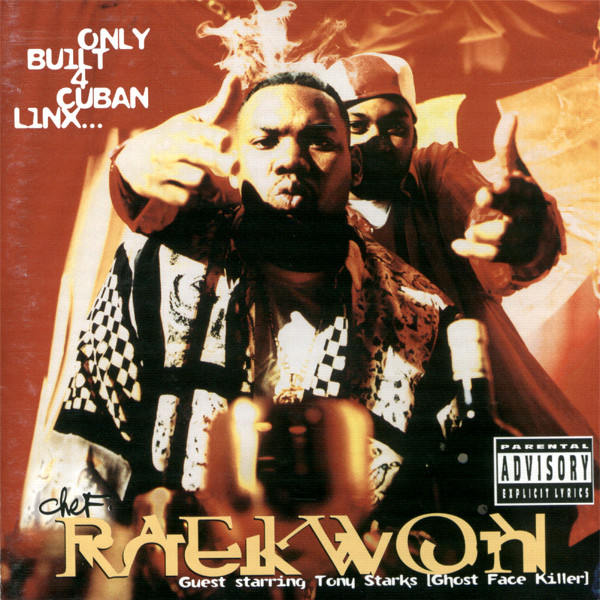
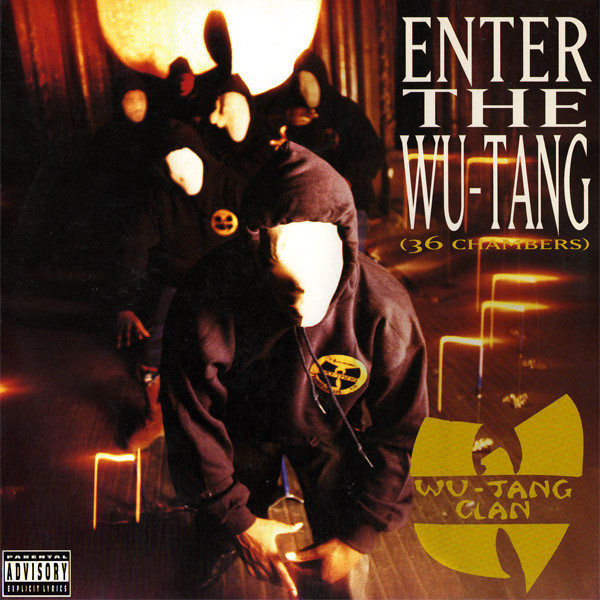


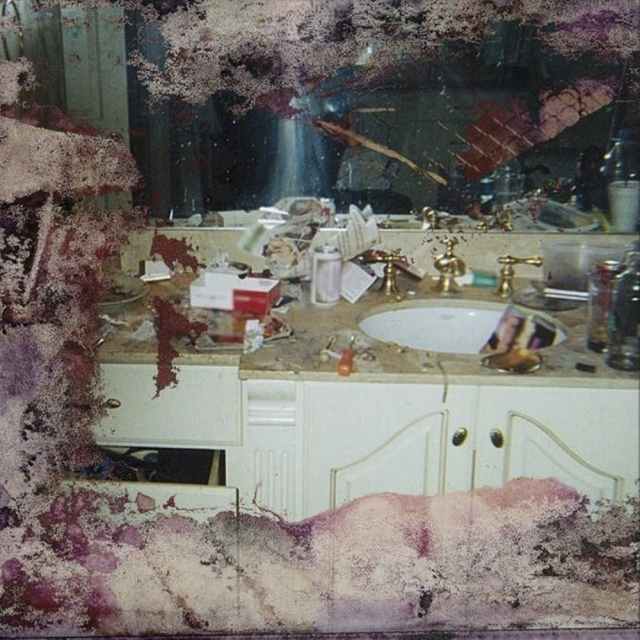

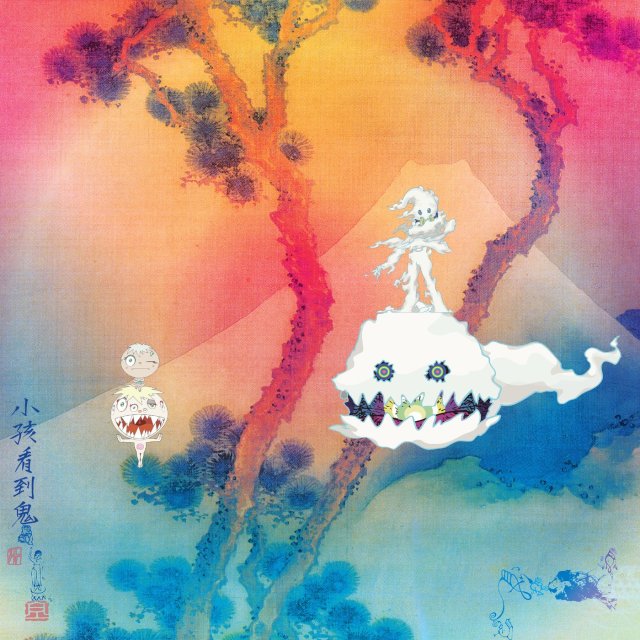


 Roads To The North